
18-Month Milestones
What many toddlers do by 18 months — and how caregivers can support development
By 18 months, many toddlers are becoming more independent, more mobile, and more expressive. They use words, gestures, and actions to communicate needs and interests, explore their environment, and interact with familiar people. Development at this age reflects growing confidence and curiosity, supported through everyday routines, play, and responsive caregiving.
Note: These milestone descriptions reflect what most children (about 75% or more) are expected to demonstrate by 18 months of age.
Social & Emotional Milestones
By 18 months, many toddlers:
Move away from caregivers but check back to make sure they are close by
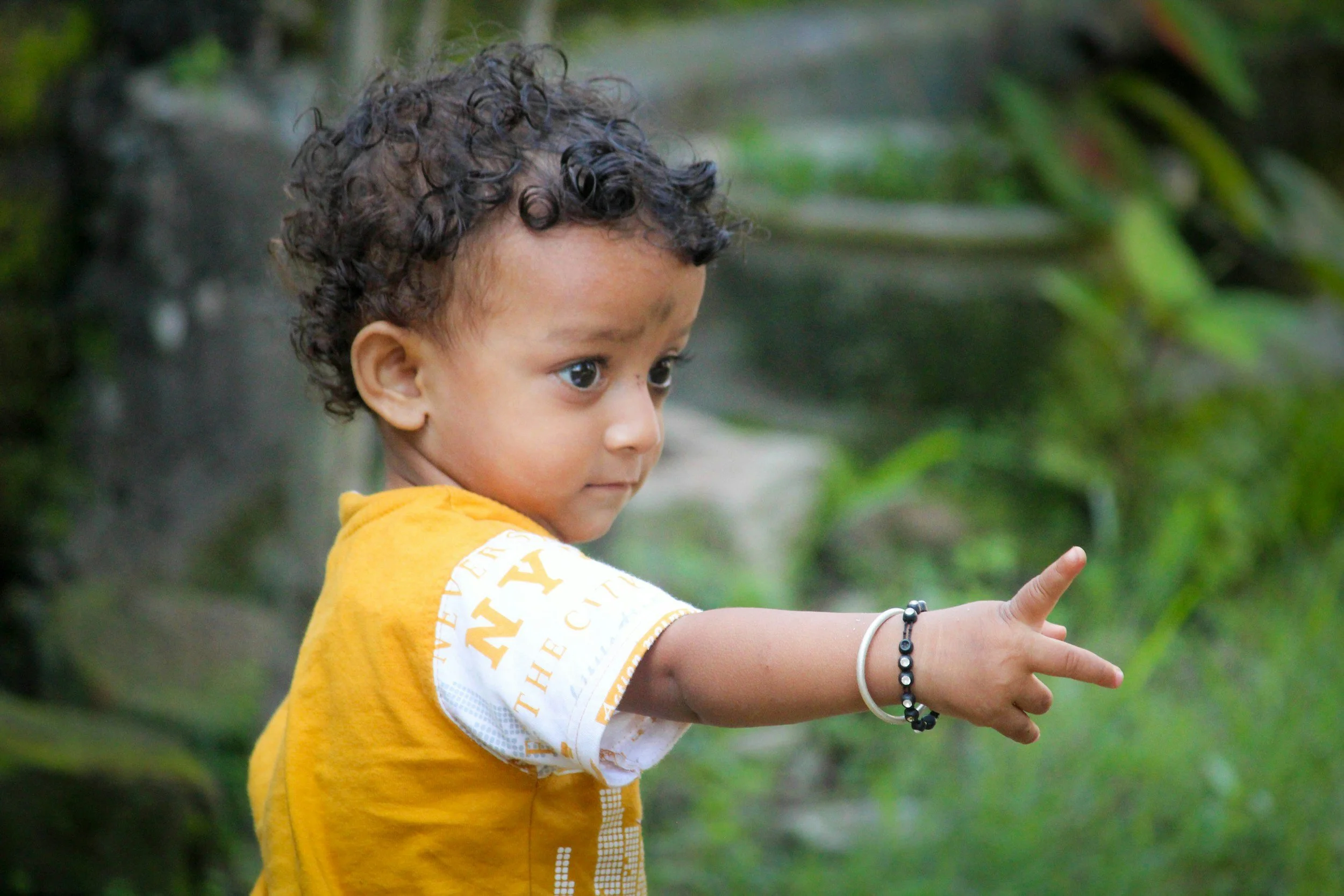
Point to show something interesting
Put hands out to be washed
Look at a few pages in a book with you
Help with dressing by pushing arms through sleeves or lifting a foot
Everyday context:
These behaviors show increasing independence paired with connection. Toddlers explore on their own while still relying on caregivers as a secure base.
Language & Communication Milestones
At this age, many toddlers:
Try to say three or more words besides “mama” or “dada”
Follow one-step directions without gestures, such as “give it to me”
What this looks like:
Your toddler may understand far more than they can say. Following simple spoken directions shows growing language comprehension and attention.
Cognitive (Thinking & Learning) Milestones
By 18 months, many toddlers:
Copy you doing chores, such as sweeping or wiping a table
Play with toys in simple ways, like pushing a toy car
Look at the right picture when you name it
Point to one body part, such as a nose or belly
Everyday example:
Imitating actions and recognizing familiar words or pictures shows that your toddler is learning through observation, memory, and repetition.
Movement & Physical Development Milestones
At 18 months, many toddlers:
Walk without holding on
Climb on and off furniture with help
Use fingers to feed themselves
Everyday context:
Walking, climbing, and self-feeding rely on strength, balance, and coordination that continue to develop through active play and exploration.
How You Can Support Your Baby’s Development
At eighteen months, toddlers are increasingly independent, expressive, and engaged with their surroundings. They use words, gestures, and actions to communicate needs, explore their environment, and interact with familiar people. Development at this age is shaped by opportunities to practice movement, experiment with objects, engage in pretend play, and participate in simple routines. Responsive caregiving and everyday play help toddlers build language, coordination, and early social skills as they navigate the world with growing confidence.
You can support your toddler’s development by:
Talking with your toddler throughout the day, naming objects, actions, and people they notice or point to.
Responding to your toddler’s words, sounds, and gestures. Expanding on what they say (for example, “ball” → “big red ball”) supports language growth.
Giving simple directions using words only, such as “put the cup on the table,” and allowing time for your toddler to respond.
Encouraging pretend play, like pushing a toy car, feeding a doll, or pretending to talk on a phone.
Letting your toddler help with everyday activities, such as wiping a surface, putting toys away, or helping when dressing them.
Reading books together daily. Let your toddler point to pictures, turn pages, or name familiar items.
Supporting movement and exploration in safe spaces. Allow your toddler to walk, climb, and explore while staying nearby.
Offering opportunities for self-feeding with fingers and utensils while supervised.
Modeling and encouraging pointing, naming what your toddler shows interest in.
Providing consistent routines for meals, sleep, and play, which help toddlers know what to expect.
Keeping screen time limited. Toddlers learn best through direct interaction, play, and communication with people.
These activities don’t teach milestones directly — they create everyday opportunities for skills to emerge through interaction and experience.
Printable Tools & Next Steps
Download or view a checklist you can use during everyday routines to track which milestones your baby is demonstrating. Don’t forget to bring your checklist to well-child visits and use it to support conversations with your pediatric healthcare provider.
Are you concerned about your child's development? Learn how to Act Early.
Test Your Knowledge
A quick check — or a fast refresher if you’re short on time
1. Social - When a toddler explores but checks back with a caregiver, this reflects:
A. Separation anxiety
B. Growing independence supported by a secure connection
C. A preference for being alone
-
B. Growing independence supported by a secure connection
2. Language – Following a simple spoken direction without gestures shows growth in:
A. Balance and coordination
B. Language understanding and attention
C. Emotional regulation only
-
B. Language understanding and attention
3. Cognitive – When a toddler copies household activities like sweeping, they are practicing:
A. Pretend play and learning through observation
B. Fine motor speed only
C. Memory without understanding
-
A. Pretend play and learning through observation
4. Movement – Walking independently and climbing with help supports the development of:
A. Strength, balance, and coordination
B. Language skills
C. Social interaction only
-
A. Strength, balance, and coordination
Please note that…
This information is intended to support learning and awareness, not to replace guidance from a healthcare or early childhood professional.